
What Is the Best Whole Home Backup Power Option in Colorado?
The best whole-home backup power option in Colorado depends on your outage frequency, home size, and energy goals. Generators provide extended runtime, while battery systems offer quiet, clean operation with limited duration.
What Does “Whole Home Backup Power” Actually Mean?
Whole home backup power means having a system that keeps your home running during an outage. This can include lights, heating systems, refrigeration, internet, and essential outlets.
Elite Roofing & Solar has helped Colorado homeowners protect their homes since 2006. When outages happen, many families want clear answers, not guesswork. This guide explains how whole-home backup power in Colorado works and how to choose the right system for your needs.
Not every backup system powers everything. Some homes in Denver and beyond use partial backup, while others are set up for full-home coverage. Understanding the difference is the first step to choosing wisely.

Whole Home Backup Power Options for Colorado Homes
Colorado homeowners generally choose from three central backup power systems. Each works differently and fits different households.
What Is a Whole Home Generator?
A whole home generator is a fuel-powered system that turns on automatically during an outage. These systems usually run on natural gas or propane and can power most or all of your home.
| Pros of Whole Home Generators | Cons to Consider |
|---|---|
| Reliable for long outages | Requires fuel supply |
| Strong enough to run large appliances | Louder than battery systems |
| Works regardless of sunlight or battery charge | Ongoing maintenance is required |
Who Is a Whole Home Generator Best For?
Whole home generators are best for homeowners who want maximum reliability during extended outages, particularly during Colorado winter storms. They are well-suited for larger homes, homes with high electrical demand, and households that want uninterrupted power for multiple days.
What Is a Battery Backup System Without Solar?
A battery backup system stores electricity from the grid and releases it during an outage. These systems are quiet and instant.
| Pros of battery backup systems | Limitations to know |
|---|---|
| Silent operation | Runtime depends on battery capacity |
| No fuel required | Large homes may need multiple batteries |
| Lower maintenance | Batteries eventually need replacement |
Who Is a Grid-Charged Battery Backup System Best For?
These systems are ideal for homeowners who want clean, quiet backup power for essential systems during short-to-moderate outages. They work well for small to mid-sized homes and households with lower electrical demand.
What Is a Solar + Battery Backup System?
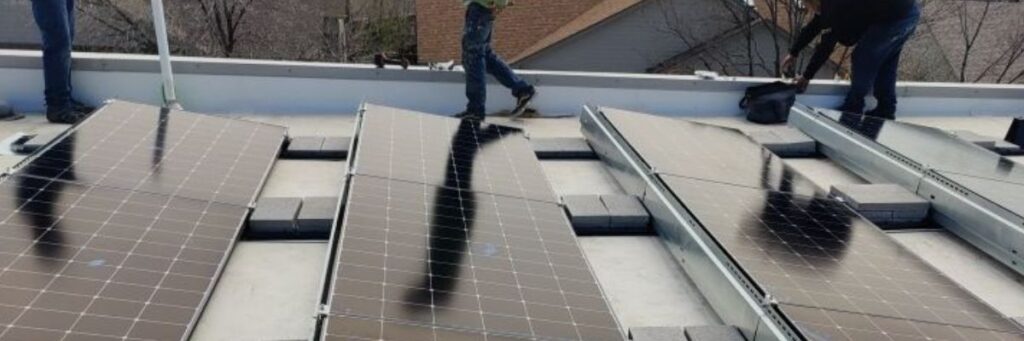
A solar plus battery backup system combines rooftop solar panels with battery storage. This allows the system to recharge during daylight hours.
Important note: Solar panels alone do not power your home during an outage. Without a battery or generator, solar systems shut down for safety reasons.
| Benefits of solar + battery systems | Considerations |
|---|---|
| Can extend backup power during long outages | Higher upfront investment |
| Reduces reliance on the grid | Performance depends on sunlight |
| Supports energy independence | Requires proper system sizing |
Who Is a Solar + Battery Backup System Best For?
Solar-fed battery systems are best for homeowners seeking both backup power and long-term energy control. They are well-suited for households that experience frequent outages or want a system that can recharge independently during daylight hours.

Generator vs Battery Backup: How Do You Choose?
Choosing the right backup power system depends on how your household uses electricity and what matters most during an outage. There is no one-size-fits-all solution. The best option is the one that matches your home, your expectations, and how often you want to rely on backup power.
How Long Do You Need Power During an Outage?
If your primary concern is getting through short outages, a battery backup system can keep essential systems running for several hours. For homes that want uninterrupted power during multi-day outages, a whole-home generator or a solar plus battery system is often a better fit.
What Parts of Your Home Need Backup Power?
Some homeowners only need to support key circuits such as heating systems, refrigeration, medical equipment, and internet access. Others want full-home coverage that allows daily life to continue as usual. Homes with higher electrical demand typically require generators or multiple batteries to meet those needs.
Do You Prefer Quiet Operation or Maximum Output?
Battery backup systems operate silently and switch on instantly, which many families appreciate. Generators provide higher output and longer runtime but produce noise and require fuel. Comfort preferences often play a significant role in this decision.
Are You Looking for Backup Power or Long-Term Energy Independence?
If your goal is reliable backup during outages only, generators and grid-charged batteries both work well. Homeowners interested in reducing reliance on the grid and maintaining power during extended outages may benefit from a solar plus battery setup that can recharge during daylight hours.
A Simple Way to Think About Your Options
Homes that want dependable power for extended outages often choose generators. Homes that value quiet, clean operation often choose battery systems. Homeowners looking for flexibility, resilience, and future energy control often choose solar paired with battery storage.
Typical Backup Power Pricing in Colorado
Pricing varies based on home size, system capacity, and installation complexity. Most homeowners can expect the following general ranges:
- Whole home generators: Approximately $12,000–$25,000 installed
- Battery backup systems (non-solar): Typically $10,000–$20,000 depending on battery count
- Solar + battery systems: Often $20,000–$40,000+, depending on solar array size and storage capacity
Solar plus battery systems may qualify for incentives and long-term energy savings that help offset initial costs.
Recent research shows that distributed energy storage systems, such as home batteries, are becoming a practical solution for both cost savings and outage protection. A 2025 analysis published through the U.S. Department of Energy’s research platform found that pairing solar with battery storage can help many U.S. households reduce electricity costs and provide affordable backup power during outages, covering a significant portion of essential energy needs for many families.
Is Whole Home Backup Power Worth It in Colorado?
Colorado’s weather includes snowstorms, wind events, and wildfire-related shutoffs. Backup power protects comfort, safety, and food security during outages.
Backup power isn’t just about convenience; it’s increasingly about resilience in a changing energy landscape. According to research from the National Renewable Energy Laboratory, energy systems that include storage elements, such as batteries, are central to improving grid reliability and flexibility.

Why Work With a Local Colorado Contractor?
Whole home backup power systems are not one-size-fits-all, especially in Colorado. Weather patterns, building codes, utility requirements, and elevation all affect how backup power systems should be designed and installed. Working with a local contractor helps ensure your system is built for real conditions, not generic assumptions.
As a Christian, family-owned company, Elite Roofing & Solar approaches each home with care and accountability. Our work is shaped by core values of faith, family, honesty, and integrity, which means clear communication, realistic recommendations, and solutions designed to serve homeowners well beyond the installation day.
Unlike companies that focus on a single product, Elite Roofing & Solar brings roofing, solar, and backup power expertise together under one roof. This integrated approach helps prevent mismatched systems, unnecessary upgrades, or short-term fixes that do not hold up over time. Every system is planned with durability, safety, and long-term performance in mind.
For homeowners, working with a local contractor also means working with people who stand behind their work. Elite Roofing & Solar’s commitment to Colorado communities, combined with our lifetime workmanship warranty, reflects a long-term promise to do the job right and remain accountable long after the project is complete.
We invite you to learn more about our Colorado-based team and how our faith-based values guide our work.
FAQs About Whole Home Backup Power
Q: Does Whole Home Backup Power Mean Everything Runs at Once?
A: Not always. Whole home backup power can be designed to support either selected circuits or your entire electrical system. Many homeowners choose to back up essential systems like heating, refrigeration, and internet rather than every outlet. True whole-home coverage depends on system size, electrical demand, and whether you use a generator, batteries, or a combination designed to safely handle full household loads.
Q: Can Solar Panels Power My Home During an Outage?
A: No. Solar panels alone do not provide backup power during an outage. For safety reasons, grid-tied solar systems automatically shut down when the grid goes offline. To keep your home powered, solar panels must be paired with a battery system or a generator. The battery stores energy and allows power to flow safely when utility service is interrupted.
Q: How Long Can a Battery Backup System Power a Home?
A: Battery runtime depends on the size of the battery system and how much electricity your home uses during an outage. Smaller systems may power essential loads for several hours, while larger or multiple batteries can extend coverage longer. High-demand appliances like electric heating or air conditioning reduce runtime, which is why careful system planning is essential.
Q: Are Generators Better for Long Winter Outages in Colorado?
A: Generators are often a strong option for extended winter outages, mainly when snowfall or limited sunlight affects solar production. Fuel-powered generators can run continuously as long as fuel is available, making them reliable during extended disruptions. For homes that prioritize uninterrupted power during multi-day outages, generators are commonly chosen for their durability and consistent output.
Q: What Maintenance Is Required for Backup Power Systems?
A: Generators require routine maintenance such as oil changes, system testing, and inspections to ensure reliable operation. Battery backup systems require far less ongoing maintenance but may need software updates and eventual battery replacement over time. Regardless of system type, regular checkups help ensure your backup power system performs as expected when you need it most.
Schedule Your Free Inspection
Choosing the right backup system starts with clear information and honest guidance. If you’re considering whole-home backup power in Colorado, our team is here to help. Contact Elite Roofing & Solar today to evaluate your options.