
How Can Denver Homeowners Prepare Their Roof for Winter?
Start with a fall inspection, clean your gutters, and make sure your attic has balanced insulation and ventilation to prevent ice dams and leaks.
Colorado winters are more than just a drop in temperature. They’re unpredictable, heavy, and harsh. Between sudden temperature drops, intense snowstorms, and extended freeze-thaw cycles, it doesn’t take long for even a healthy roof to show signs of strain.
The good news is that most Denver winter roofing problems are preventable with the right preparation. This comprehensive guide from Elite Roofing & Solar explains why winter is so tough on Colorado roofs, how to prepare your roof for winter, and what to watch for throughout the season.
Why Winter Is Hard on Roofs in Colorado
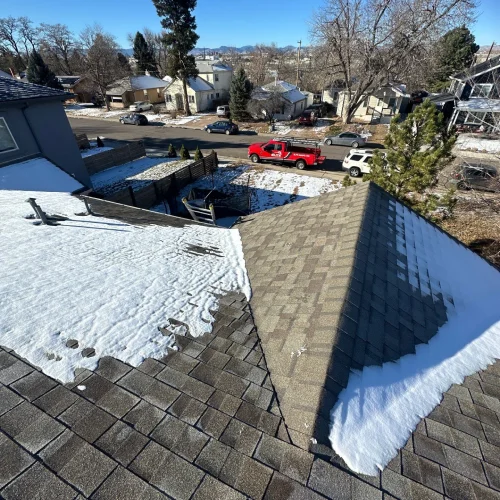
Winter in Colorado isn’t gentle on your home. To keep you safe and warm, your roof takes the brunt of it. Thanks to the region’s high elevation, dramatic temperature swings, and heavy, fast-moving storms, roofs in the area face conditions unlike anywhere else in the country.
Every winter brings a new cycle of freezing, melting, refreezing, and snow loading that can quietly wear down your roofing system over time. All of these factors add up fast. As a result, below are some of the top reasons your roof needs extra care heading into winter:
Ice Dams
If you’ve ever noticed long icicles hanging off the edge of a roof after a storm, that’s often the first sign an ice dam is forming.
An ice dam is when the upper section of your roof warms enough to melt snow, but the lower edge stays below freezing. Melted snow flows downward, refreezes at the eaves, and creates a wall of ice that prevents water from draining.
That trapped water backs up under shingles and commonly leads to:
- Leaks inside the attic or ceiling
- Water-stained drywall
- Mold growth
- Roof decking rot
Left unaddressed, ice dams can cause significant winter damage. It’s why they’re one of the most frequent Denver winter roofing problems, especially in older homes or those with poor ventilation.
Freeze/Thaw Cycles
If you’ve ever watched yesterday’s soft snow turn rock-solid overnight, you’ve seen the freeze/thaw cycle in action. On your roof, that same process happens repeatedly throughout a Colorado winter.
Daytime melt + nighttime refreeze = expanding and contracting water in cracks, under shingles, or around flashing.
This cycle causes:
- Shingle separation or curling
- Small gaps to widen into leaks
- Flashing to pull away
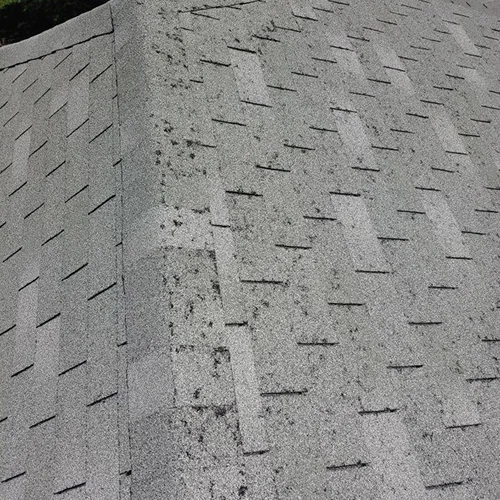
- Granule loss
Even brand-new roofs can experience stress during prolonged freeze/thaw cycles. It makes this one of the most overlooked sources of winter roof damage in Colorado.
Heavy Snow Loads
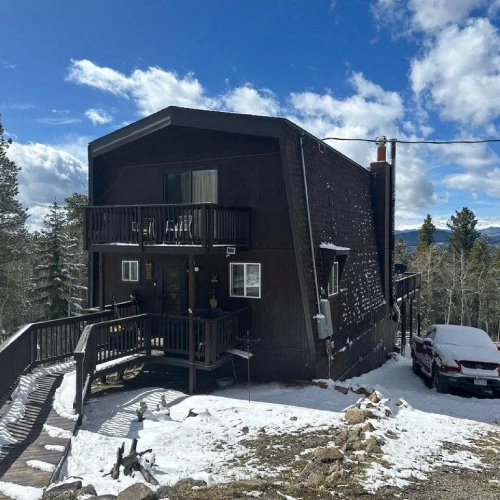
If you’ve lived through a Colorado blizzard, you know how quickly a light dusting can turn into several inches or feet of wet, heavy snow. All that buildup sits directly on your roof, which can add significant weight in a short amount of time.
Heavy snow adds unnecessary weight, leading to:
- Structural strain
- Sagging roof decking
- Cracks in rafters or trusses
- Excess pressure near valleys
Even if the roof never collapses, repeated heavy snow loads can weaken your roofing system over time, causing premature aging and reducing the overall lifespan of your roof.
Wind and Sudden Temperature Swings
Denver is known for sudden cold snaps and high winds that often arrive without any warning. It can create conditions that are tough on roofing materials.
High winds and rapid cooling can:
- Loosen shingles
- Damage ridge caps
- Lift flashing
- Strip granules
- Allow snow to blow under the roof edges
Because temperature changes happen so quickly in Colorado, many homeowners don’t realize their roof has taken damage until leaks appear. It’s why wind and temperature swings are another commonly cited contributor to roof damage across the state.
Five Ways to Prepare Your Roof for Winter
Preparing your roof for winter isn’t complicated, but it does require doing the right things at the right time to keep you and your loved ones safe from the elements. The most effective way to prevent winter roof damage is to take action in the fall, before snow and single-digit temperatures set in.
To be as prepared as possible, here are the five essential steps every Denver homeowner should take.
1. Schedule a Professional Fall Roof Inspection
Colorado winters hit fast, and once temperatures drop, repairs become harder, riskier, and more expensive. That’s why fall is the ideal time to have your roof professionally inspected, and why having an inspection is the number one strategy to prevent unnecessary winter leaks, ice dams, and emergency repairs.
During an inspection, a roofing specialist will look for:
- Loose, missing, or aging shingles
- Exposed nails
- Cracked flashing
- Worn or missing caulking
- Signs of attic moisture
- Early indicators of structural weakness
- Areas prone to ice dam formation
A routine inspection is especially important if your roof:
- Is more than 10 years old
- Has endured recent hail, wind, or storms
- Shows signs of leaking or staining
- Has visible granule loss
Most winter roof problems begin as small issues in the fall. By identifying and fixing these early, you could save thousands of extra dollars by avoiding these repairs.
2. Clear Debris and Clean Your Gutters
Clogged gutters are a major cause of ice dams and winter water backup.
When gutters fill with leaves, pine needles, and dirt, melting snow has nowhere to go. It pools along the roof edge, refreezes, and creates a blockage that traps water under shingles.
Make sure to:
- Clear the roof surface of leaves and branches
- Clean all gutters and downspouts
- Confirm downspouts direct water away from your home’s foundation
- Install gutter guards if debris returns frequently
A clean gutter system supports proper drainage, reduces ice accumulation, and helps prevent structural moisture issues.
3. Check Your Attic Insulation and Ventilation
Some of the biggest Denver winter roofing problems don’t start on the roof at all. Rather, they start in the attic. When warm indoor air escapes upward, it heats the upper portion of the roof. This starts to melt the snow unevenly and sets the stage for ice dams and moisture damage.
Proper attic insulation and ventilation can help regulate temperature across the roof surface. Without adequate insulation and airflow, heat escapes into the attic and warms the upper roof, causing uneven melting.
This is the perfect recipe for ice dam formation.
What to check:
Insulation
- Minimum recommended R-value for Denver homes: R-49 to R-60
- Insulation should be clean, fluffy, and dry
- No visible gaps or compressed areas
Ventilation
A healthy attic requires balanced intake and exhaust airflow. A roofer will check:
- Ridge vents
- Soffit vents
- Gable vents
- Blockages or insulation covering vents
When insulation and ventilation work together, your roof temperature stays even. This can minimize heat loss, reduce ice dams, and improve your overall energy efficiency.
4. Address Minor Repairs Before Cold Weather Arrives
Unfortunately, small roofing issues have a way of becoming much larger when left unaddressed. Winter is the season when this can happen fast. As temperatures drop, shingles become more brittle, and sealants can stiffen. This can significantly limit your repair options. Even the tiniest gap or loose shingle in October can quickly turn into significant structural damage by January.
Before winter, have a professional fix:
- Cracked or lifted shingles
- Loose ridge caps
- Torn or rusted flashing
- Nail pops
- Minor leaks
- Damaged sealant around vents, skylights, and chimneys
These are fast, affordable fall repairs, but they become far more expensive once snow and freezing temps arrive.
5. Install Heat Cables or Snow Guards if Needed
Some Denver homes are naturally more vulnerable to winter roof issues because of their design. Steep rooflines, heavy shading, complex valleys or limited exposure to the sun are all common contributing factors. In these cases, it’s wise to add preventative winter upgrades. These can make a major difference in reducing the risk of ice dams and other snow-related damage.
Heat Cables (Heat Tape)
- Installed along eaves and gutters
- Helps melt snow and prevent ice dams
- Useful on north-facing or shaded roofs
Snow Guards
- Prevent large sheets of snow from sliding off your roof
- Protect gutters, landscaping, and walkways
- Common for metal roofing systems
A roofing professional can help evaluate your home’s layout and determine if these upgrades would provide the added protection you need during Denver’s most intense winter months.
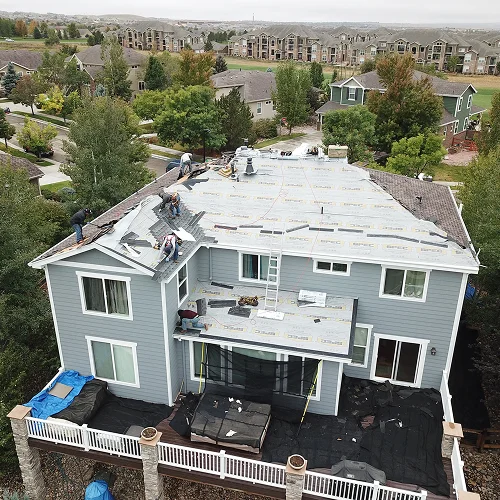
What to Know About Roofing in Cold Weather
Homeowners often wonder whether roof work can safely be done in the winter, especially during Denver’s colder months. The short answer is yes. Roofing in cold weather is not only possible, but common in Colorado. However, it does require additional expertise, the right materials, and careful planning.
Experienced roofing companies regularly handle winter replacements and repairs because Colorado’s climate often makes waiting until spring unrealistic. Reputable teams use manufacturer-approved techniques that ensure shingles seal properly, adhesives cure correctly, and materials stay protected from freezing temperatures.
Here’s what homeowners should know about Denver winter roofing:
Can a Roof Be Replaced in Winter? Yes, With the Right Expertise
Although some roofing materials become more rigid in cold temperatures, skilled contractors know how to work with them safely and effectively. Modern shingles and roofing products are engineered to perform in a wide range of temperatures, including winter conditions, as long as installation follows best practices.
Denver winter roofing requires:
- Specialized cold-weather adhesives
- Temperature-stable materials kept warm until installation
- Longer seal times to allow shingles to bond properly
- Moisture management to prevent frost or ice from interfering
- Careful scheduling to avoid storms or extreme temperature drops
Professional teams like Elite Roofing and Solar use manufacturer guidelines for winter installation, often involving hand-sealing, protective storage for materials, and heat-assisted bonding to ensure your roof performs exactly as it should once temperatures rise again.
Ideal Temperatures for Roofing
Most asphalt shingles are easiest to install between 40°F and 85°F. Below that, they can become stiff or brittle. When this happens, special handling from a professional is required.
During cold-weather installations, professionals typically:
- Hand-seal shingles to guarantee proper adhesion
- Keep materials insulated so they stay flexible during installation
- Work within warmer daytime windows when temperatures peak
- Use thermal blankets or temporary heating when conditions require it
As long as you are able to secure the right kind of help, winter roof replacements are just as durable and long-lasting as those completed during warmer months.
Why Some Homes Replace Roofs in Winter
While many homeowners assume roofing has to wait for warm weather, winter can actually be the right time for a replacement. Cold-season roof work is more common than people realize, and there are several situations where waiting until spring could lead to significantly more damage.
Denver winter roofing may be the best option if:
- Your roof is actively leaking, allowing moisture to reach the attic, insulation, or interior ceilings
- A fall inspection found major issues that could worsen under snow loads or freeze/thaw cycles
- Storm damage requires immediate repair, such as torn shingles, exposed underlayment, or compromised flashing
- Insurance deadlines are approaching, and delaying could impact coverage or claim approvals
- You want to avoid long spring wait times when roofing schedules fill quickly after winter storms
Roofs damaged by hail, wind, or ongoing moisture often cannot wait months for warmer weather. Snow, ice, and repeated freeze/thaw cycles can magnify existing problems, allowing water intrusion, mold growth, or structural weakening. In many cases, replacing the roof in winter is the safest and most cost-effective way to protect your home.

What Melting Snow Can Do to Your Roof
When temperatures rise during the day and drop again at night, problems resulting from melting snow on your roof can escalate. While the snow on top of your home may look harmless, the water beneath it can quietly cause snow damage to your roof, especially if it isn’t draining properly or if part of your roof is warmer than the rest.
Melting snow commonly leads to pooling, ice dams, and hidden roof leaks, all of which worsen with Denver’s frequent freeze/thaw cycles. Understanding how these issues form can help you stay ahead of winter damage.
Pooling and Standing Water
When snow melts unevenly, water can collect on your roof, particularly on low-slope areas, around chimneys, skylights, dormers, and valleys. Standing water is more common on older roofs, roofs with poor drainage, or homes where debris obstructs water flow.
Pooling can cause:
- Shingle deterioration
- Premature aging of roofing materials
- Water penetration beneath shingles
- Wood rot in the roof decking
Over time, even small amounts of standing water can weaken the structure and shorten the lifespan of your roof.
Ice Dams and Refreezing During Thaws
One of the biggest risks of melting snow is the formation of ice dams. During a warm day, the snow melts on the upper roof. As temperatures drop in the evening, that water refreezes along the colder eaves, gutters, and roof edges.
This refrozen ridge traps water behind it, creating:
- Leaks beneath shingles
- Wet insulation
- Water-stained ceilings
- Peeling paint or bubbling drywall
- Mold or mildew growth in attics
Ice dams are especially common on homes with limited attic ventilation or insufficient insulation.
Hidden Roof Leaks
Melting snow can reveal weaknesses you didn’t know were there. As water works its way down the roof, it may slip into small openings caused by:
- Cracked shingles
- Torn flashing
- Nail pops
- Damaged seals around vents or skylights
Because leaks from melting snow often develop slowly over multiple thaw cycles, they can go unnoticed for weeks until the interior shows visible signs.
Preventative Drainage Strategies
Good drainage is your first line of defense against melting snow damage to your roof. To help water flow properly and reduce winter risks:
- Keep gutters and downspouts clean and free of debris
- Add downspout extensions to move water away from the foundation
- Ensure attic insulation and ventilation prevent uneven roof temperatures
- Use heat cables in chronic problem areas
- Clear roof edges with a roof rake (or hire a professional for safety)
These preventative steps help minimize pooling, ice dams, and moisture buildup throughout winter.
Warning Signs to Look For
As snow melts and refreezes throughout the season, watch for early signs of winter roof damage, including:
- Icicles forming along roof edges
- Water stains on ceilings or upper walls
- Damp insulation or moisture in the attic
- Ice buildup in gutters
- Visible sagging or uneven snow distribution
- Dripping sounds inside the home during thaws
Catching these signs early can prevent more serious snow damage to your roof and often save homeowners from costly spring repairs.
Signs of Winter Roof Damage
Even roofs that were well-prepared may still show signs of stress as winter progresses. The key is catching issues early before they turn into structural or interior damage.
Watch for the following signs:
Interior Leaks
The most obvious red flag is moisture inside your home.
Look for:
- Dripping water in the attic
- Wet insulation
- Ceiling stains
- Damp drywall seams
- Musty or moldy smells
Leaks often begin small and expand quickly during freeze/thaw cycles.
Ice Buildup at the Eaves
Ice collecting along the roof’s edge is one of the earliest signs of uneven roof temperatures and poor attic ventilation.
- Small icicles: normal
- Large ice ridges or thick shelves: a problem
If ice stretches across large sections of the eaves, an ice dam is likely forming.
Water Stains After Thaws
Many homeowners first notice stains when temperatures warm up.
This indicates that water:
- Became trapped under shingles
- Found a penetration point
- Traveled along the roof deck
- Reached the attic or interior ceiling
These stains should be evaluated by a roofer immediately.
Granules in Gutters
Granule loss signals worn shingles, which is a common result of winter stress.
If you find large amounts of granules in gutters or downspouts, your shingles may be nearing the end of their lifespan.
Excessive Snow on the Roof
Snow buildup more than 6–12 inches deep can stress structural supports and contribute to winter leaks. If you notice uneven snow distribution or bowing structures, call a professional right away.
FAQs About Winter Roofing in Denver
Q: How often should I have my roof inspected during the winter months?
A: Once at the start of winter is typically sufficient, but you should schedule an additional check if you notice new stains, interior moisture, or heavy ice buildup after major storms.
Q: Is it safe to remove snow from my roof on my own?
A: Light snow removal with a roof rake from the ground is generally safe, but climbing onto a snowy or icy roof is dangerous. For thick, wet, or high-volume snow, it’s best to call a professional.
Q: Can indoor heating issues affect my roof in winter?
A: Yes. Inconsistent heating, closed-off rooms, or heat escaping into the attic can create uneven roof temperatures, which contribute to ice dams and moisture problems.
Protect Your Home This Winter
Preparing your roof for winter is one of the smartest investments you can make as a Colorado homeowner to avoid unnecessary, costly emergency repairs. Elite Roofing & Solar offers free winter roof inspections and the Roof Shield™ Lifetime Workmanship Warranty for lasting peace of mind.
Don’t wait until spring to deal with winter roof problems. Schedule a free winter prep roof inspection today. A quick assessment now can save thousands in repairs later.